

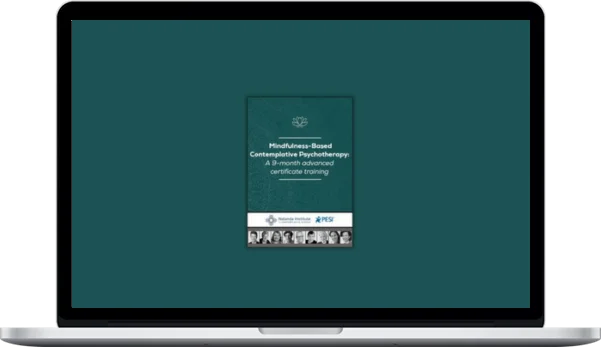
Pesi – Mindfulness-Based Contemplative Psychotherapy: A 9-month advanced certificate training
The Nalanda Institute’s Mindfulness-Based Contemplative Psychotherapy program is the world’s most advanced training for clinicians looking to expand their practice by integrating a variety of mindfulness-based meditation practices with Buddhist psychology, contemporary psychotherapy, and current neuropsychology.
Now, for the first time ever, you can earn your Certificate in Mindfulness-Based Contemplative Psychotherapy from the Nalanda Institute through online access to their comprehensive training.
This intensive 9-month certificate training program will help distinguish you as a leader in the field of Mindfulness-Based Contemplative Psychotherapy among your clients, employer and fellow clinicians.
Co-developed by Nalanda Institute core faculty, Joe Loizzo, M.D., Ph.D., Miles Neale, PsyD, and Emily Wolf, Ph.D., the training program includes the world’s leading experts and provides you direct access to the work and lessons of the most sought-after teachers, including:
- Sharon Salzberg, acclaimed author and prominent Buddhist meditation teacher
- Rick Hanson, Ph.D., New York Times best-selling author and authority on self-directed neuroplasticity
- Richard Davidson, Ph.D., groundbreaking researcher and one of Time Magazine’s “100 Most Influential People in the World”
- Chris Germer, Ph.D., author, international speaker and co-developer with Kristen Neff of the Mindful Self-Compassion program
- Jeffrey Rubin, Ph.D., critically acclaimed author and creator of meditative psychotherapy
- Robert Thurman, Ph.D., recognized worldwide authority on religion, spirituality and Buddhist science
- …and more
This groundbreaking training will show you how to masterfully weave insights and practices from contemplative psychology into the daily fabric of your clinical practice — providing you a powerful approach that can help improve clinical outcomes in clients experiencing trauma, anxiety, depression, pain, addiction and more.
Don’t wait to become one of tomorrow’s leaders… Join an elite group of your peers who are transforming their practice and their clients’ lives by earning their certificate in mindfulness-based contemplative psychotherapy.
By joining us to
Earn your Certificate in Mindfulness-Based Contemplative Psychotherapy, you will:
- Learn to combine a safe, exploratory dialog with time-tested practical skills to illuminate your clients’ potential for healing and happiness
- Develop essential skills for helping clients apply Mindfulness to daily life
- Complete a Capstone Project to showcase your new skills and understanding of mindfulness-based psychotherapy
Program Features
- 9-Months of weekly meditations, classes, and presentations from leading experts
- Supplemental readings to help deepen your understanding of the weekly teachings
- Online video lecture you can view at your own convenience from the comfort of your home or office
- Guided meditations that show you how to enhance introspection, develop awareness, cultivate positive emotions and evoke insight
- Q&A calls with Nalanda faculty to share additional insights
- Self-designed Capstone Project to showcase your application of the advanced training
What Will I learn?
This 9-month training program provides a comprehensive foundation for integrating contemplative psychology and meditation practice into contemporary psychodynamic, cognitive-behavioral, object relation, interpersonal, family-systems therapies and related care giving fields. You’ll learn how to use mindfulness-based psychotherapy to combine safe, exploratory dialog with time-tested practical skills and age-old contemplative insights aimed at embodying your clients’ innate potential for healing and happiness.
Foundations of Buddhist Psychology
Learn key insights from one of the world’s oldest surviving psychologies to help you understand the nature of the mind, assess symptoms, determine etiologies and prognosis and offer effective treatment in a manner unlike any contemporary system.
You’ll hear lecture and participate in meditations led by today’s leaders in meditation and contemplative science:
- Sharon Salzberg, the most prominent Buddhist meditation teacher in the West and acclaimed author
- Joe Loizzo, M.D., Ph.D., Nalanda Institute Founder, Harvard-trained psychiatrist and Columbia-trained Buddhist scholar with over forty years’ experience studying the beneficial effects of contemplative practices on healing, learning and development
- Miles Neale, PsyD, one of the leading voices of the current generation of Buddhist teachers and a forerunner in the emerging field of contemplative psychotherapy
- Emily Wolf, Ph.D., director of the Nalanda Institute’s Contemplative Psychotherapy Program and private practice clinician focused on integrating contemplative methods into Western psychodynamic therapy
Essentials of Mindfulness Meditation
Go beyond simple versions of mindfulness into the depth and sophistication of its original method of mediation prescribed in contemplative science.
Let the Nalanda faculty show you how much more value there is for your clients beyond mainstream presentations. You’ll enjoy lectures from guest faculty including:
- Robert Thurman, Ph.D., recognized worldwide authority on religion and spirituality, Asian history, world philosophy, Buddhist science, Indo-Tibetan Buddhism, and His Holiness the Dalai Lama
- Ethan Nichtern, Buddhist teacher, author, and activist who has lectured at Brown, Wesleyan, Yale, NYU, and Antioch
- …and more
Neuroscience of Meditation
See how neuroscience can inform why, how and what mindfulness-based techniques can help your clients engage in healthier behaviors while improving their emotional regulation, concentration, and ability to restructure unhelpful thoughts.
You’ll gain the knowledge you need to inform your practice from today’s leading voices in the field of neuroscience and research, including:
- Rick Hanson, Ph.D., psychologist, teacher, New York Times best-selling author and authority on self-directed neuroplasticity
- Richard Davidson, Ph.D., groundbreaking researcher and one of Time Magazine’s “100 Most Influential People in the World”
- Sonia Sequiera, Ph.D., neuroscientist and researcher focused on how meditation can be used to improve health in diverse populations
- …and more
Clinical Applications of Mindfulness: Mechanisms of change and effects
Examine the many ways that mindfulness practices have been effectively applied in clinical context to help clients manage stress, reduce addictions and anxiety, prevent depressive relapse, and facilitate insight, self-compassion, affect regulation, secure attachment and behavior modification.
Discover how you can apply Mindfulness Based Therapies (such as MBSR, MBCT, and MBRP), Acceptance and Commitment Therapy, Dialectical Behavioral Therapy, and more from leading clinicians such as:
- Erin Olivio, Ph.D, clinical psychologist in private practice, former Assistant Clinical Professor of Medical Psychology at Columbia University, and the former Director of the Columbia Integrative Medicine Program
- Jon Kaplan, Ph.D., clinical psychologist that serves as the director of the SoHo CBT + Mindfulness Center, which specializes in providing innovative cognitive behavioral therapy and mindfulness training for adults, teens, children, couples, and organizations
- Bart van Melik, M.A., a meditation and Insight Dialogue teacher focused on working with diverse populations, including bringing meditation to juvenile detention centers, homeless shelters, VA hospitals and New York City public schools
- Leslie Blackhall, M.D., Associate Professor of Medicine and Medical Humanities at the University Of Virginia School of Medicine and Director of Palliative Care Services
- …and more
Contemplative Psychotherapy: Integrative nuances
Review a variety of ways experts have thoughtfully integrated Buddhist psychological insights and mindfulness practices into their own clinical work so you too can be well informed about how to effectively apply these methods into your own treatment with confidence.
Get the insight you need to tackle the toughest clinical cases from experts including:
- Paul Fulton, Ph.D., a clinical psychologist, lecturer in Psychology at the Department of Psychiatry of Harvard Medical School at Cambridge Health Alliance, and board member/co-founder of the Institute for Meditation and Psychotherapy
- Chris Germer, Ph.D., author, international speaker and co-developer with Kristen Neff of the Mindful Self-Compassion program
- Jeffrey Rubin, Ph.D., critically acclaimed author and creator of meditative psychotherapy
- Pilar Jennings, Ph.D., psychoanalyst, author and researcher at the Columbia University Center for Study of Science and Religion where she explores the intergenerational transmission of trauma
- …and more
Learn to Combine the Major Elements of Mindfulness-Based Contemplative Psychotherapy into Your Practice:
Attuned presence facilitated by mindfulness training to help you and your clients relax and stay more connected despite ever present distractions.
Emotional self-regulation practices to allow you and your clients to develop the necessary affect tolerance needed to avoid reactivity and maladaptive coping mechanisms.
Meta-cognitive insight to help you and your clients learn how to examine thoughts with greater clarity, perspective, and decrement leading to profound discoveries and insights.
How is the program organized?
During the 9-month certificate training, you will engage in:
- 36 weeks of comprehensive online video training — an in-depth curriculum designed by the Nalanda Institute and taught by a faculty of leading scholars, practitioners, world-class meditation teachers, pioneering mindfulness and compassion researchers, and renowned clinicians.
- Supplemental readings to help deepen your understanding of the weekly teachings.
- Capstone Project — to showcase your course learning as it relates to your field of practice.
- Q&A sessions with Nalanda Institute faculty — to hear additional insight in applying contemplative psychotherapy to your practice.
Four Foundations of Mindfulness Meditation
Week 1 | Four Foundations of Mindfulness Meditation
Foundations of Buddhist Psychology
Week 2 | Four Noble Truths: Foundations of Buddhist Psychology
Week 3 | Introduction to Contemplative Psychotherapy: Defining Mental Illness and Optimal Health in Classic Buddhist Psychology
Week 4 | Buddhism: Historical and Philosophical Developments**
Week 5 | Mind and Mental Factors: The Basic Mind Science of Buddhist Psychology
Week 6 | Karma: Psychological Causality within the Context of Dependent Origination
Week 7 | Freedom and Clarity of Mind: Natural strategies to help clients find relief
Week 8 | Selflessness**
Week 9 | The Eightfold Path and Three Disciplines: Comprehensive treatment strategies informed by Buddhist psychology
Week 10 | Introduction to the Capstone Project and Meditation Teach-backs**
Neuropsychology of Contemplative Practice
Week 11 | Neuropsychology and Contemplative Practice as it Relates to Stress and Trauma
Week 12 | Limbic system and attachment: Resonance, Regulation, and the Mammal Brain
Week 13 | Neuroscience of Awakening: The clinical application of self-regulatory practices
Week 14 | Neuroscience of Compassion: Clinical Applications for compassion-based meditation strategies
Week 15 | First Guided Meditation Teach-back Opportunity**
Clinical Applications and Mindfulness-based Interventions
Week 16 | Mindfulness Based Therapies: MBSR, MBCT, MBRP
Week 17| Acceptance and Commitment Therapy
Week 18 | Treatment of Personality Disorders and DBT
Week 19 | Mindfulness and Self-Compassion Based Couples and Family Therapy
Week 20 | Mindfulness for Youth at Risk**
Week 21 | Living, Dying and the Problem with Hope
Week 22 | Mindfulness in Trauma Treatment
Week 23 | Second Guided Meditation Opportunity**
Integrative Approaches
Week 24 | Attachment, Mindfulness and Psychotherapy
Week 25 | Meditation Teaching Methodology, Review**
Week 26 | Mindfulness Practice as Advanced Training for the Clinician
Week 27 | Loving-kindness Meditation**
Week 28 | Self-compassion and Psychotherapy**
Week 29 | Meditative Therapy
Week 30 | Opportunity to Develop Your final Capstone Project.**
Week 31 | Practicing Meditative Therapy
Week 32 | Healing the Selfless Self / Working with Transference and Countertransference
Week 33 | Intersubjectivity and Interpersonal Dynamics in Buddhism and Psychotherapy
Week 34 | Spiritual Bypassing
Week 35 | The Love of Space: Mindful Caregiving and the Ethics of Presence
Week 36 | Capstone Project Presentation**
Enroll today, and you’ll also get access to…
Supplemental Readings
Discover supplemental readings that compliment your weekly lessons. Selected by course instructors, the recommended readings will help you establish a familiarity with research findings and current literature on contemplative science and provide you with further insight and guidance on developing your practice.
More courses from the same author: Pesi
Related products